
In a world where businesses are built on digital infrastructure, IT security has become a critical pillar of organizational resilience and trust. From cloud computing and remote workforces to SaaS applications and connected devices, modern IT environments are larger, more complex, and more exposed than ever before. At the same time, cyber threats are growing in scale, speed, and sophistication—making traditional, reactive security approaches ineffective.
Today, IT security is no longer just about firewalls or antivirus software. It is about continuous visibility, intelligent threat detection, automated response, and risk-based decision-making. This comprehensive guide explores what IT security is, why it matters, key components, challenges, and how AI-powered platforms like Seceon are redefining IT security for enterprises and Managed Security Service Providers (MSSPs).
IT security, also known as information technology security, refers to the policies, processes, and technologies used to protect an organization’s IT systems, networks, applications, and data from unauthorized access, cyberattacks, misuse, or disruption.
The primary objectives of IT security are based on the CIA triad:
Modern IT security extends across on-premises infrastructure, cloud environments, endpoints, identities, applications, and data—requiring a unified and intelligent approach.
The importance of IT security has increased dramatically due to several key factors:
Cloud adoption, remote work, mobile devices, APIs, IoT, and SaaS applications have significantly expanded the attack surface.
Threats now include ransomware-as-a-service (RaaS), advanced persistent threats (APTs), supply-chain attacks, and insider threats.
Data breaches result in regulatory fines, revenue loss, downtime, and long-term brand damage.
Organizations must meet strict compliance requirements such as GDPR, HIPAA, PCI-DSS, and ISO standards.
Effective IT security helps organizations reduce risk, maintain trust, and ensure business continuity.
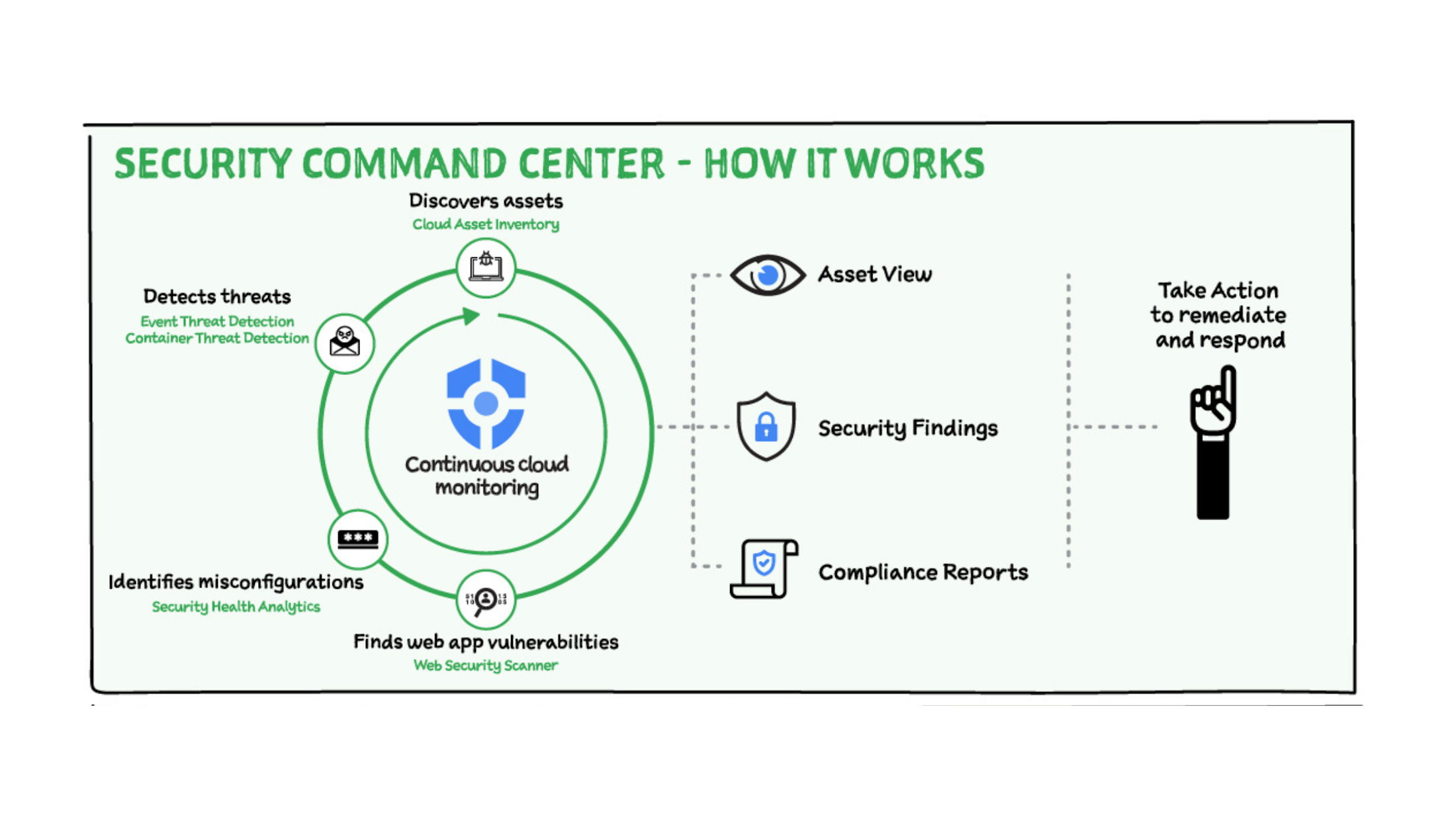
Protects networks from unauthorized access and attacks using firewalls, intrusion detection systems (IDS), intrusion prevention systems (IPS), and network traffic analysis.
Secures laptops, desktops, servers, and mobile devices using EDR/XDR solutions that detect suspicious behavior beyond traditional antivirus.
Ensures protection of workloads, data, and identities across public, private, and hybrid cloud environments.
Controls who can access systems and data through authentication, authorization, and privilege management.
Protects software applications from vulnerabilities, misconfigurations, and exploitation throughout the development lifecycle.
Safeguards sensitive information using encryption, data loss prevention (DLP), and classification policies.
| Traditional IT Security | Modern IT Security |
|---|---|
| Perimeter-based defense | Zero Trust approach |
| Signature-based tools | Behavioral and AI-driven detection |
| Siloed security tools | Unified security platforms |
| Manual incident response | Automated investigation and response |
| Reactive monitoring | Proactive and predictive security |
Modern IT security focuses on continuous monitoring and intelligent automation.
AI and ML have become essential to effective IT security due to the sheer volume of data and speed of attacks.
By leveraging AI, organizations can detect faster, respond smarter, and operate more efficiently.
Data-Threat Modeling adds business context to IT security by mapping threats to:
Instead of asking “Is this activity malicious?”, DTM asks:
“Is this activity risky in the context of our business?”
This approach significantly improves prioritization and decision-making.
Continuous monitoring identifies suspicious activity across networks, endpoints, and cloud environments.
Automated workflows reduce mean time to detect (MTTD) and mean time to respond (MTTR).
Behavioral analytics uncover credential misuse and privilege abuse.
Centralized logging and reporting support regulatory requirements.
Minimizes downtime and operational disruption during security incidents.
Many organizations struggle with IT security due to:
These challenges drive the shift toward integrated, AI-native IT security platforms.
4
Seceon delivers a unified, AI-powered IT security platform that combines aiXDR, aiSIEM, UEBA, and SOAR capabilities into a single solution.
Seceon ingests and correlates telemetry from:
Advanced ML models and DTM enable real-time threat detection, prioritization, and automated response.
Enterprises benefit from Seceon’s IT security platform by gaining:
For Managed Security Service Providers, IT security platforms must be scalable and cost-efficient. Seceon offers:
Continuous verification of users, devices, and applications.
Replacing multiple tools with unified platforms.
End-to-end automation powered by AI.
Security designed specifically for cloud environments.
Translating IT security risks into business impact.
To build an effective IT security program:
Platforms like Seceon accelerate this journey by delivering out-of-the-box intelligence and automation.
The future of IT security lies in predictive, automated, and intelligence-driven defense. As attacks become faster and more complex, organizations must rely on AI-powered platforms that can think, learn, and respond at machine speed.
IT security is no longer a technical afterthought—it is a core business requirement. Organizations that invest in intelligent, unified IT security platforms gain resilience, trust, and competitive advantage.
By combining AI, Machine Learning, and Data-Threat Modeling, Seceon empowers enterprises and MSSPs to move from reactive defense to proactive, autonomous IT security—ready for today’s threats and tomorrow’s challenges.
